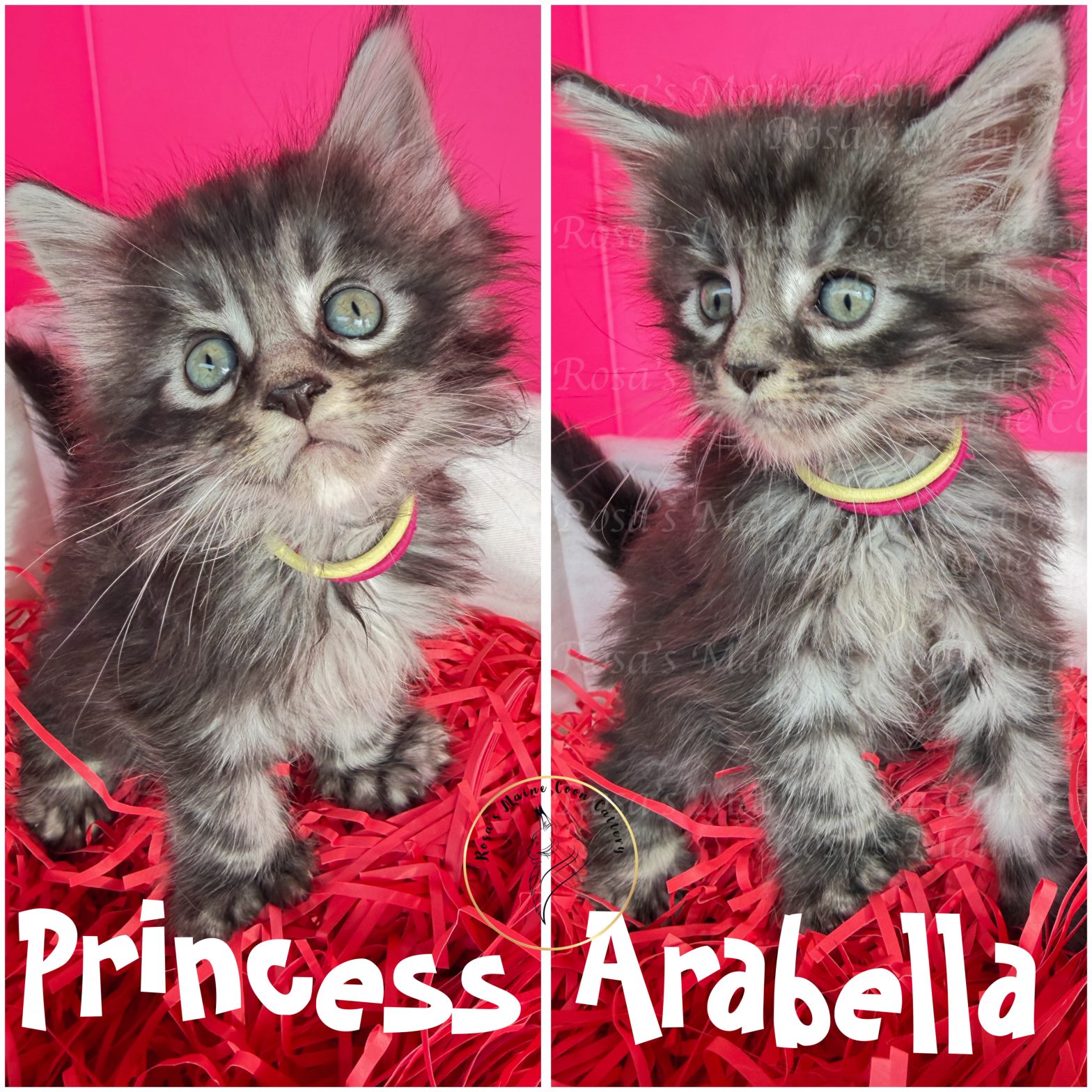
Home at Last: Helping Your Maine Coon Settle In Beautifully
The carrier door opens. A soft stretch. A curious gaze. And just like that — your home becomes their kingdom.
Bringing home your Maine Coon kitten is one of life’s most meaningful moments. It is joyful — and sometimes a little nerve-wracking. Those first few days set the emotional foundation for confidence, comfort, and lifelong trust.
At Rosa’s Maine Coons, we believe reassurance and preparation make all the difference. This guide walks you through exactly what to expect — and how to help your kitten thrive from the very first night.
📌 Quick Navigation
- 1. The First 24 Hours: Creating a Safe Haven
- 2. Eating & Litter Habits: What’s Normal?
- 3. A Real Story: Prince Thor’s First Night
- 4. Gradual Exploration & Confidence Building
- 5. Introducing Children & Other Pets
- 6. Your First Vet Visit: What You Do (and Don’t) Need
- 7. Downloadable Family PDF Checklist
- Contact Rosa’s Maine Coons
- Available Maine Coon Kittens
<a id=”first24″></a>
1️⃣ The First 24 Hours: Creating a Safe Haven
Your kitten has just left the only home they have ever known. Even confident Maine Coons need decompression time.
Begin with one quiet room.
✔ Soft lighting
✔ Minimal noise
✔ Food and water separated
✔ Litter box placed away from feeding area
✔ A cozy hiding option (open carrier or box)
The Best Friends Animal Society recommends small, controlled spaces during transition to reduce stress and encourage litter success.
Think of this phase as emotional grounding — not social time.
<a id=”eating”></a>
2️⃣ Eating & Litter Habits: What’s Normal?
A mild appetite dip within the first 12–24 hours is common.
| Timeline | Behavior | Recommended Response |
|---|---|---|
| First 12 hrs | Little interest in food | Offer familiar breeder food only |
| Day 1 | Small nibbles | Keep environment calm |
| Day 2–3 | Appetite normalizes | Maintain routine |
According to the American Veterinary Medical Association, stress-related appetite changes in kittens are typically short-lived when their environment remains stable.
⚠ If no food intake occurs beyond 24–36 hours, contact your breeder or veterinarian.
<a id=”thor”></a>
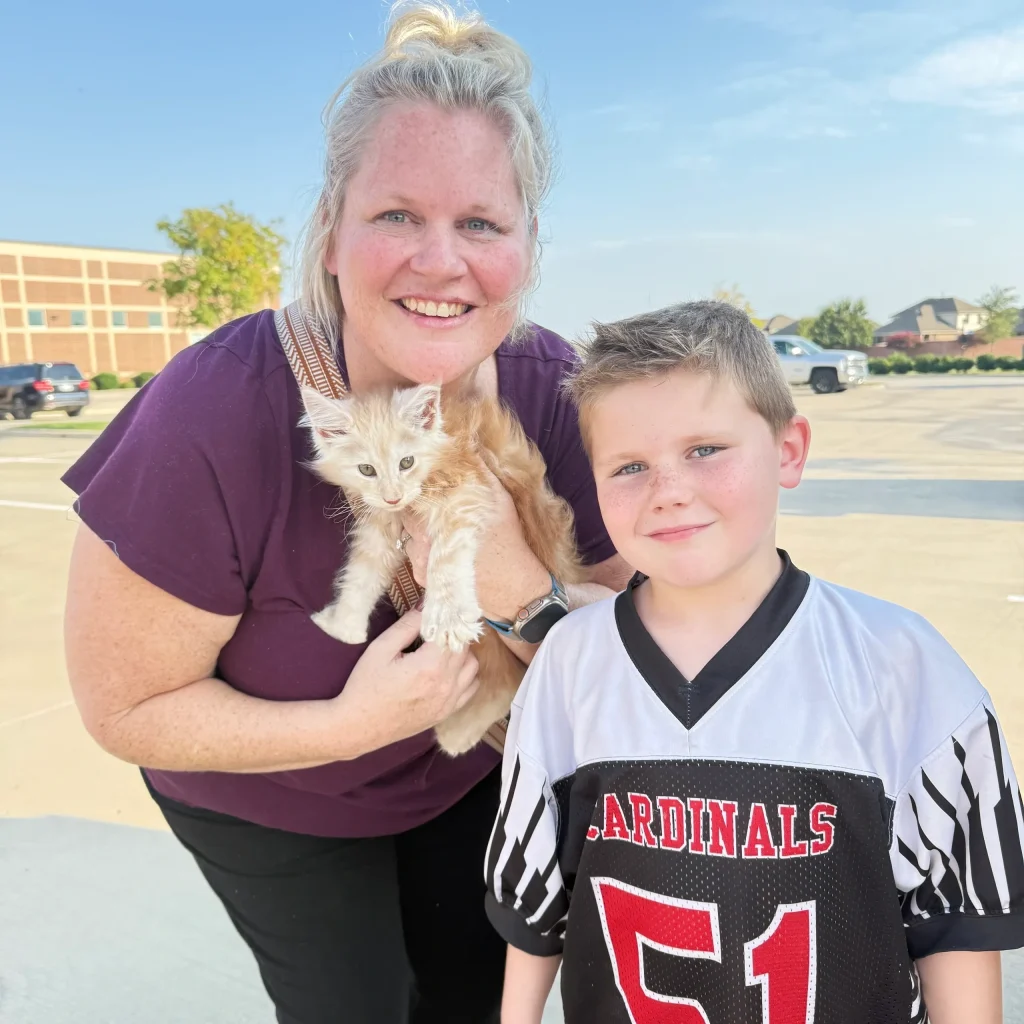
3️⃣ A Real Story: Prince Thor’s First Night Home
Recently, one of our Rosa families brought home Prince Thor — a bold, affectionate boy.
The next morning, we received a concerned message:
“He hasn’t eaten. Is something wrong?”
We gently reviewed the basics:
- Quiet room?
- Same food as breeder?
- No overwhelming visitors?
- Litter accessible?
We reassured them that mild appetite pauses are common during transitions.
The very next day we received the update:
“He’s eating just fine!”
Thor simply needed time.
This moment reminded us why education matters. Not every behavior signals a problem — sometimes it signals adjustment.
<a id=”explore”></a>
4️⃣ Gradual Exploration: Let Curiosity Lead
Once your kitten:
✔ Is eating normally
✔ Is using the litter box consistently
✔ Shows relaxed body posture
You may slowly expand access to other rooms.
The International Cat Care emphasizes gradual environmental expansion to prevent overwhelm.
Maine Coons are naturally confident — but confidence grows best when they feel in control.
<a id=”introductions”></a>
5️⃣ Introducing Children & Other Pets
Go slower than you think you need to.
- Start with scent swapping.
- Allow sniffing under doors.
- Supervise short meetings.
- Keep energy calm.
Structured introductions build long-term harmony.

<a id=”vet”></a>
6️⃣ Your First Vet Visit: What You Do (and Don’t) Need
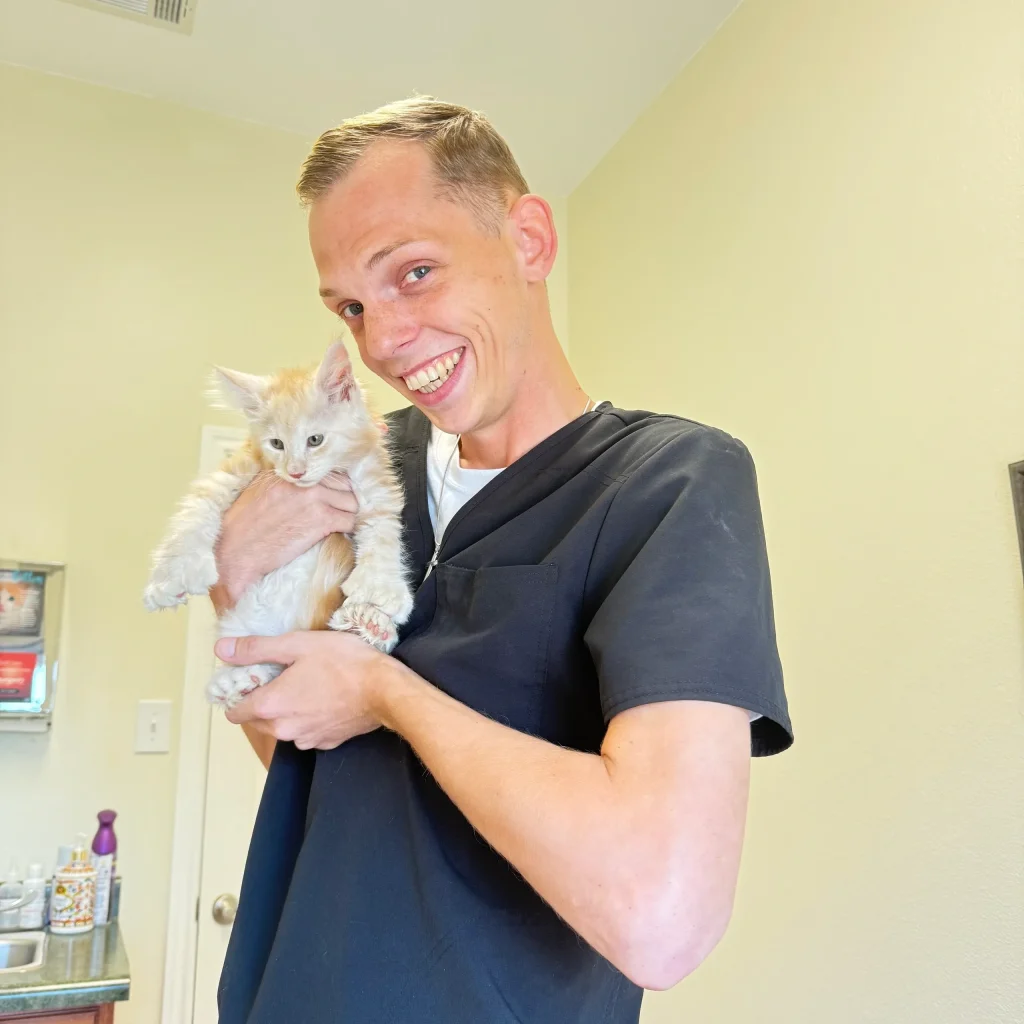
Schedule a wellness exam within the first week home.
A trusted veterinary authority we reference is the Cornell Feline Health Center, which outlines evidence-based feline health guidance.
Understanding Breed Predispositions
Maine Coons may be predisposed to:
- Hypertrophic Cardiomyopathy (HCM)
- Hip dysplasia
- Spinal muscular atrophy (rare)
- Polycystic kidney disease (rare in responsibly bred lines)
However — not every kitten requires every test immediately.
Your first visit should prioritize:
✔ Full physical exam
✔ Growth monitoring
✔ Vaccine planning
✔ Parasite evaluation if needed
Further diagnostic testing should be discussed thoughtfully based on breeder documentation and veterinary assessment — not automatically ordered.
Balanced care is wise care.
<a id=”pdf”></a>
7️⃣ Downloadable Family Checklist
We’ve created a printable resource for our Rosa families.
Included in the PDF:
- First 24-hour setup guide
- Feeding & litter timeline
- Vet visit checklist
- Signs that require a phone call
- Space for notes
👉 [Insert Downloadable PDF Link Here]
Perfect for family members, sitters, or anyone helping with your new companion.
<a id=”contact”></a>
📞 Contact Rosa’s Maine Coons
If you ever feel unsure — even if it feels small — reach out.
Breeder: Teresa
📍 Contact details available here:
👉 https://rosasmainecoons.com/contact-us
We are always here to guide, reassure, and support you.
<a id=”available”></a>
🐾 Looking for Your Maine Coon Companion?
If you are still in the selection process or know someone considering adding a Maine Coon to their family, we invite you to view our current kittens.
👉 https://rosasmainecoons.com/available-kittens
Each kitten is raised with intention, health testing, and extraordinary care.
🧡 A Gentle Closing
Every kitten who leaves Rosa’s Maine Coons carries our commitment with them — not only to quality breeding, but to lifelong support.
Like Prince Thor’s family discovered, sometimes reassurance is all that is needed.
And we are always here to provide it.